How a Quality fillet knife Supports Efficient Fish Preparation
Wiki Article
Learn Exactly How a Fillet Blade Streamlines Fish Preparation: A Must-Have for Home Chefs
A fillet knife is a crucial tool for home chefs seeking to boost their fish prep work skills. Its style permits accuracy cuts and reliable filleting, which conserves time and minimizes waste. Comprehending exactly how to appropriately utilize this blade can greatly improve the high quality of the completed recipe. Nonetheless, many chefs may overlook vital methods and upkeep ideas that can make a substantial distinction. Discovering these elements can cause an extra satisfying food preparation experience.Comprehending the Composition of a Fillet Knife
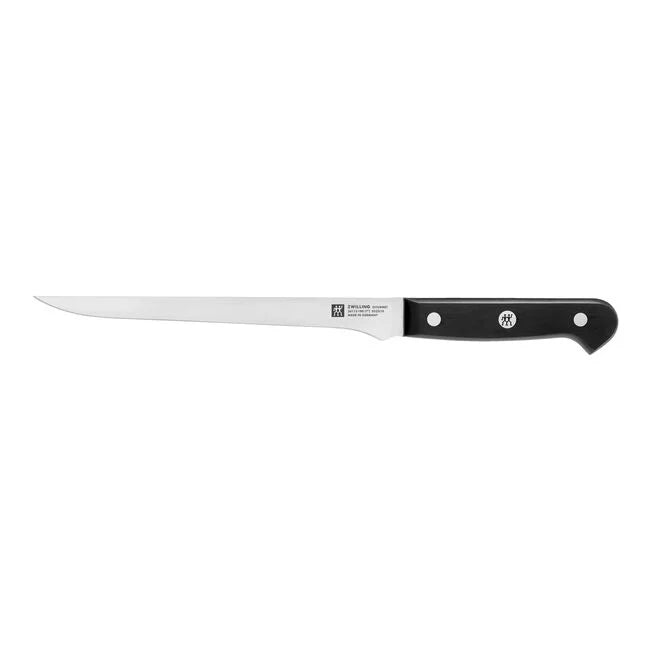
A fillet knife is a specialized device made for the specific job of preparing fish. Its composition stands out, crafted to help with the delicate procedure of filleting. The blade is commonly long, slim, and versatile, allowing for intricate activities along the foundation and ribs of the fish. This versatility helps the customer move along the contours of the fish without tearing the flesh. The blade's intensity is extremely important, as it makes it possible for clean cuts, reducing waste and ensuring that the fillets keep their high quality.The handle of a fillet blade is commonly ergonomically developed, providing a safe and secure hold during usage. Products utilized for both the blade and handle differ, with stainless steel prevailing for its durability and resistance to deterioration. Generally, understanding the makeup of a fillet blade is vital for anyone seeking to master fish prep work, as it directly influences the efficiency and top quality of the final item.
Benefits of Utilizing a Fillet Blade for Fresh Fish
Utilizing a fillet blade for fresh fish provides numerous advantages that improve the preparation process. The style of a fillet blade, characterized by its versatile, slim blade, enables specific cuts along the fish's bones and skin. This flexibility allows home cooks to efficiently eliminate fillets with marginal waste, preserving even more of the fish for intake.Additionally, the sharpness of a fillet blade helps with tidy cuts, lowering the chances of resulting and tearing the flesh in a more visually pleasing discussion. This is specifically important when preparing fish for sashimi or various other aesthetically enticing dishes.
Furthermore, a fillet blade's ergonomic take care of provides a comfortable hold, which is necessary for extended use. This convenience enables greater control during elaborate tasks such as skinning and deboning. On the whole, making use of a fillet blade considerably streamlines fish preparation, making it a vital device for any type of home cook.
Selecting the Right Fillet Blade for Your Requirements
Choosing the proper fillet knife includes comprehending various elements that can affect performance and comfort. Key considerations consist of the blade product, which influences longevity and intensity, handle convenience and grasp for simplicity of usage, and the blade size, which can influence precision in filleting. Making informed selections in these locations assures a perfect experience while preparing fish.Blade Material Options
Handle Convenience and Grasp
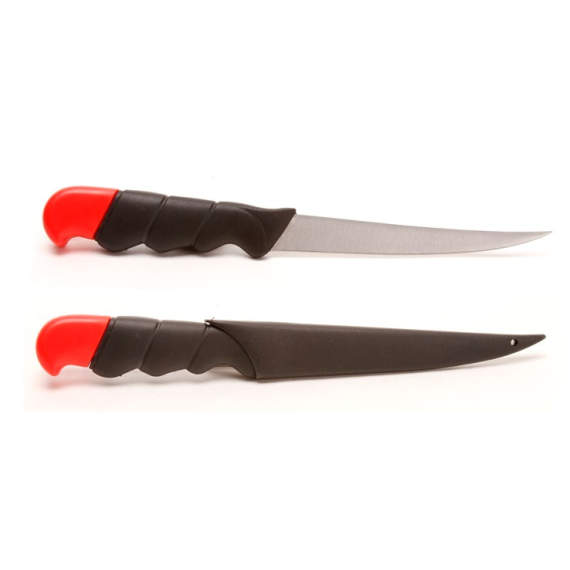
A fillet knife's efficiency extends beyond the blade material; take care of convenience and hold play an important role in total use. When choosing a fillet knife, the handle have to fit easily in the individual's hand, permitting extended use without triggering exhaustion. Ergonomic styles, frequently including shapes or non-slip materials, boost hold stability, essential for accuracy tasks like filleting fish. A safe and secure hold lessens the risk of crashes, particularly when collaborating with unsafe fish. The material of the take care of-- be it plastic, metal, or timber-- also affects convenience; some like a warm, all-natural feeling, while others go with the resilience of artificial choices. Inevitably, a well-designed take care of can considerably boost the filleting experience for home chefs.Blade Length Factors To Consider
Choosing the best knife size is important for reliable fish preparation. Fillet blades typically range from 6 to 9 inches, and picking the appropriate dimension relies on the sorts of fish being refined. A much shorter knife, around 6 inches, uses more control and accuracy, making it ideal for smaller fish or detailed cuts. On the other hand, a much longer knife, such as one determining 9 inches, is helpful for bigger fish, permitting smoother, longer strokes that can slide via thicker fillets. Home chefs ought to additionally consider their convenience degree and experience when choosing blade length, as a balance in between dimension and ability can meaningfully boost the filleting process, resulting in cleaner, much more reliable cuts.Essential Techniques for Filleting Fish
Understanding important methods for filleting fish starts with picking the ideal blade, as the right device can greatly impact the process. Following a step-by-step method guarantees efficiency and precision, resulting in better results. Additionally, maintaining the fillet knife is essential for peak performance and long life.Picking the Right Blade
Picking the proper fillet blade is important for accomplishing accurate cuts and clean fillets when preparing fish (fish fillet knife). A fillet blade normally features a long, flexible blade that enables very easy ability to move around bones and skin. When selecting a knife, one need to take into consideration the blade length; much shorter blades supply much better control for smaller fish, while longer blades are useful for bigger types. The blade's flexibility is additionally crucial; a more adaptable knife helps browse contours, while a stiffer blade offers stamina for tougher cuts. Take care of comfort is essential, as a safe and secure hold can boost control throughout filleting. Additionally, worldly quality, such as stainless-steel, guarantees longevity and resistance to rust, making the blade an enduring tool in the kitchen areaStep-by-Step Filleting Refine
With the ideal fillet blade in hand, the focus changes to the step-by-step procedure of filleting fish. The fish is placed on a steady surface area, ensuring it stays steady. The blade is inserted behind the gills and angled in the direction of the backbone. A smooth, intentional cut is made along the spine, complying with the shapes of the fish. As the fillet is released from the chest, treatment is taken to prevent reducing through the bones. When the initial side is complete, the fish is flipped to repeat the procedure on the contrary side. After both fillets are removed, any type of remaining skin or bones can be cut away, causing clean, ready-to-cook portions.Preserving Your Fillet Blade
A premium fillet blade is crucial for reliable fish prep work, proper maintenance is equally essential to ensure its durability and performance. best fillet knife for saltwater fish. Routine cleansing after each usage stops the build-up of microorganisms and fish deposit, making certain a sanitary cooking area. A mild clean with soap and water adhered to by detailed drying out will certainly secure the blade from corrosion and rust. Furthermore, refining the knife with a developing rod maintains its sharp side, permitting specific cuts throughout filleting. Regularly, the knife ought to be honed using a whetstone or professional solution to recover its cutting efficiency. Safe storage space in a safety sheath or magnetic strip helps prevent unintended damage, ensuring the fillet blade stays a dependable device for home chefs.Caring and keeping for Your Fillet Knife
Correct maintenance and treatment of a fillet blade are important for assuring its durability and performance, as a well-kept blade not only boosts the efficiency of fish prep work but additionally contributes to safety and security in the kitchen area. Routinely cleansing the knife after each usage is vital; this prevents the accumulation of fish deposit that can cause corrosion. Utilizing cozy, soapy water and a soft sponge, the blade ought to be delicately scrubbed prior to being dried out completely to stay clear of wetness retention.Developing the knife at routine intervals is likewise vital; a sharp edge permits for precise cutting and minimizes the threat of mishaps. In addition, storing the fillet knife in a safety sheath or on a magnetic strip can aid prevent nicks and dulling. Regularly examining the handle for any type of indicators of wear warranties that the blade continues to be comfy and secure to use. With these easy methods, a fillet blade can continue to be an important device in any kind of cooking area.

Typical Mistakes to Stay Clear Of When Filleting Fish
Filleting fish can be a gratifying experience, yet several usual mistakes can prevent the process and jeopardize the quality of the last item. One common mistake is using a boring blade, which makes it testing to achieve clean cuts and can bring about damaged flesh. One more blunder is failing to effectively scale the fish before filleting, leading to an undesirable texture and taste. In addition, reducing against the grain as opposed to with it can produce less tender fillets. It is also important to maintain a consistent hand and stay clear of rushing the process; doing so can result in uneven cuts and thrown away meat. Finally, ignoring to get rid of bones thoroughly can spoil the eating experience. By being aware of these mistakes, home chefs can improve their filleting abilities and generate high-quality fish fillets that are both visually attractive and tasty.Checking Out Various Fish Dishes for Your Fresh Catch
After efficiently staying clear of usual blunders in the filleting procedure, the following action is to check out a range of dishes that display the fresh catch. Home chefs can explore barbecuing, baking, or pan-searing their fillets to highlight the natural flavors of the fish. A simple lemon and herb marinade can boost the preference while maintaining the prep work light and healthy.For those seeking a heartier dish, fish tacos with a zesty slaw and avocado crema offer a delightful fusion of tastes (fillet knife). A timeless fish chowder can supply warmth and comfort, making the many of the fish's tender structure.
Regularly Asked Questions
Can I Use a Fillet Knife for Meat Prep Work?
Yes, a fillet blade can be made use of for meat prep work. Its adaptability and intensity allow for accurate cuts, making it suitable for trimming, slicing, or deboning various kinds of meats, boosting total cooking experience.Just how Do I Develop a Fillet Knife Properly?
To develop a fillet blade properly, one need to make use of a whetstone or refining rod at a 15-20 degree angle, applying regular stress while moving the blade in smooth, controlled strokes until it gets to the wanted sharpness.Are There Specific Fillet Knives for Various Fish Kinds?
Yes, particular fillet knives satisfy various fish types. For instance, slim, adaptable blades fit delicate fish, while tougher, thicker blades are optimal for larger varieties, making sure precision and efficiency throughout the filleting process.What Is the Ideal Size for a Fillet Knife Blade?
The excellent length for a fillet knife blade commonly ranges from 6 to 9 inches. This size enables best fillet knife for saltwater fish adaptability and precision, making it ideal for filleting various sorts of fish effectively and effectively.How Commonly Should I Change My Fillet Knife?
A fillet blade needs to be changed each to 3 years, relying on frequency of usage and upkeep. Routine developing can extend its life expectancy, yet signs of wear or damages warrant prompt replacement for peak efficiency.Making use of a fillet knife for fresh fish provides countless advantages that improve the prep work procedure. The design of a fillet knife, defined by its adaptable, narrow blade, allows for exact cuts along the fish's bones and skin. Picking the appropriate fillet knife is crucial for attaining precise cuts and clean fillets when preparing fish. With the appropriate fillet blade in hand, the focus shifts to the step-by-step procedure of filleting fish. Correct upkeep and treatment of a fillet blade are vital for ensuring its long life and efficiency, as a properly maintained blade not only enhances the efficiency of fish preparation however likewise contributes to security in the cooking area.
Report this wiki page